
Mechanisms of Expertise™ No. 1: Translation
How expertise becomes visible, useful, and transferable.

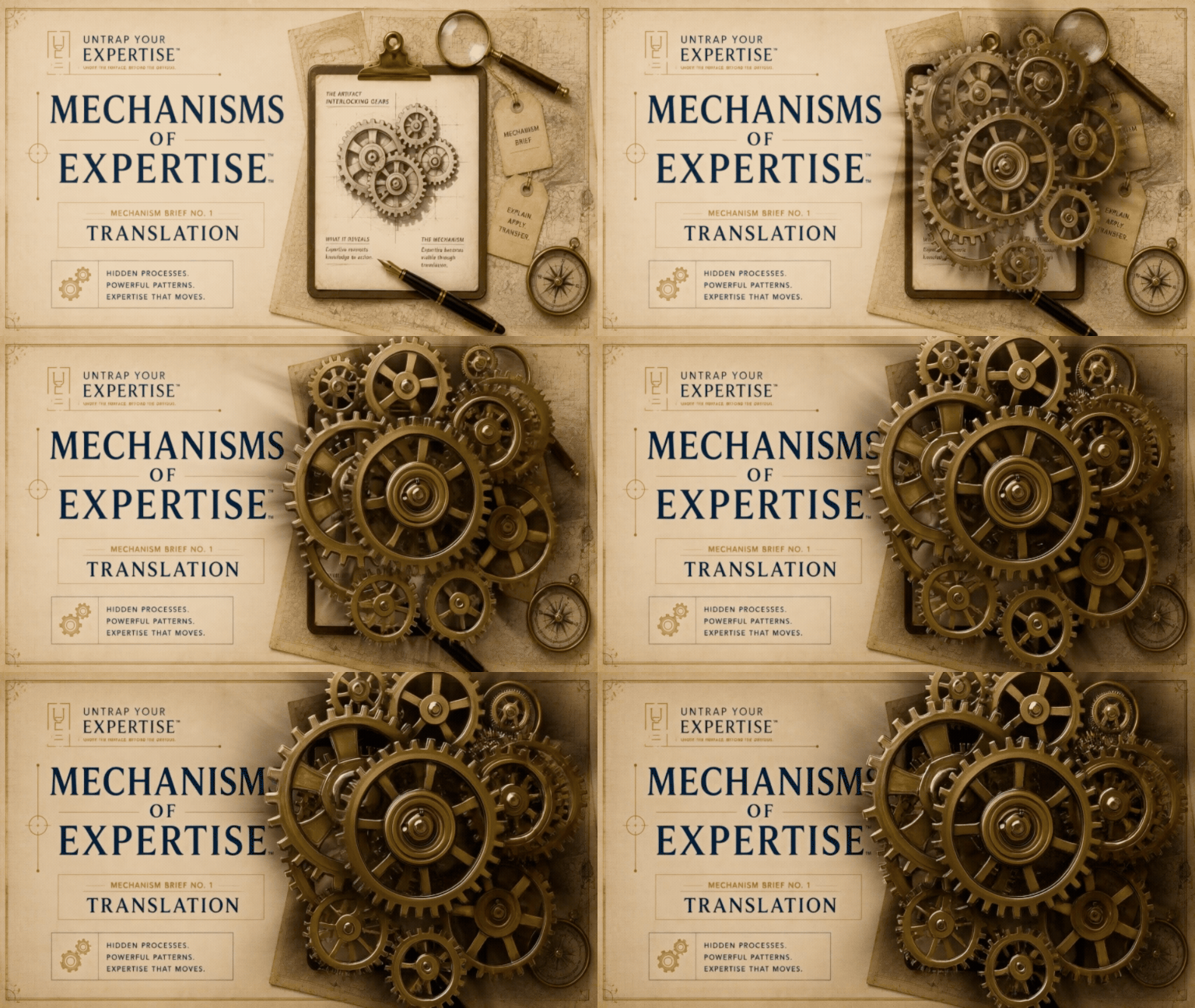
All disciplines use specific mechanisms to function. For example, physics uses gravity and economics uses supply and demand.
Expertise also uses mechanisms. They explain how expertise develops, how it becomes difficult to observe, and how people learn to apply it.
This series examines those mechanisms through historical artifacts, research, and observation. The first mechanism is translation.
The Artifact
In 1921, Billy Ingram and Walter Anderson opened the first White Castle restaurant in Wichita, Kansas. They entered a market where the hamburger already had a poor reputation. Many Americans associated ground beef with poor sanitation and low-quality meat. White Castle entered a market where the product had an image problem as much as a food problem. White Castle needed to change that perception before it could build a successful business
I first encountered this story while watching The Foods That Built America on the History Channel. It stayed with me because it did not feel like a story about hamburgers. It felt like a story about something more (perhaps it’s just how my brain works).
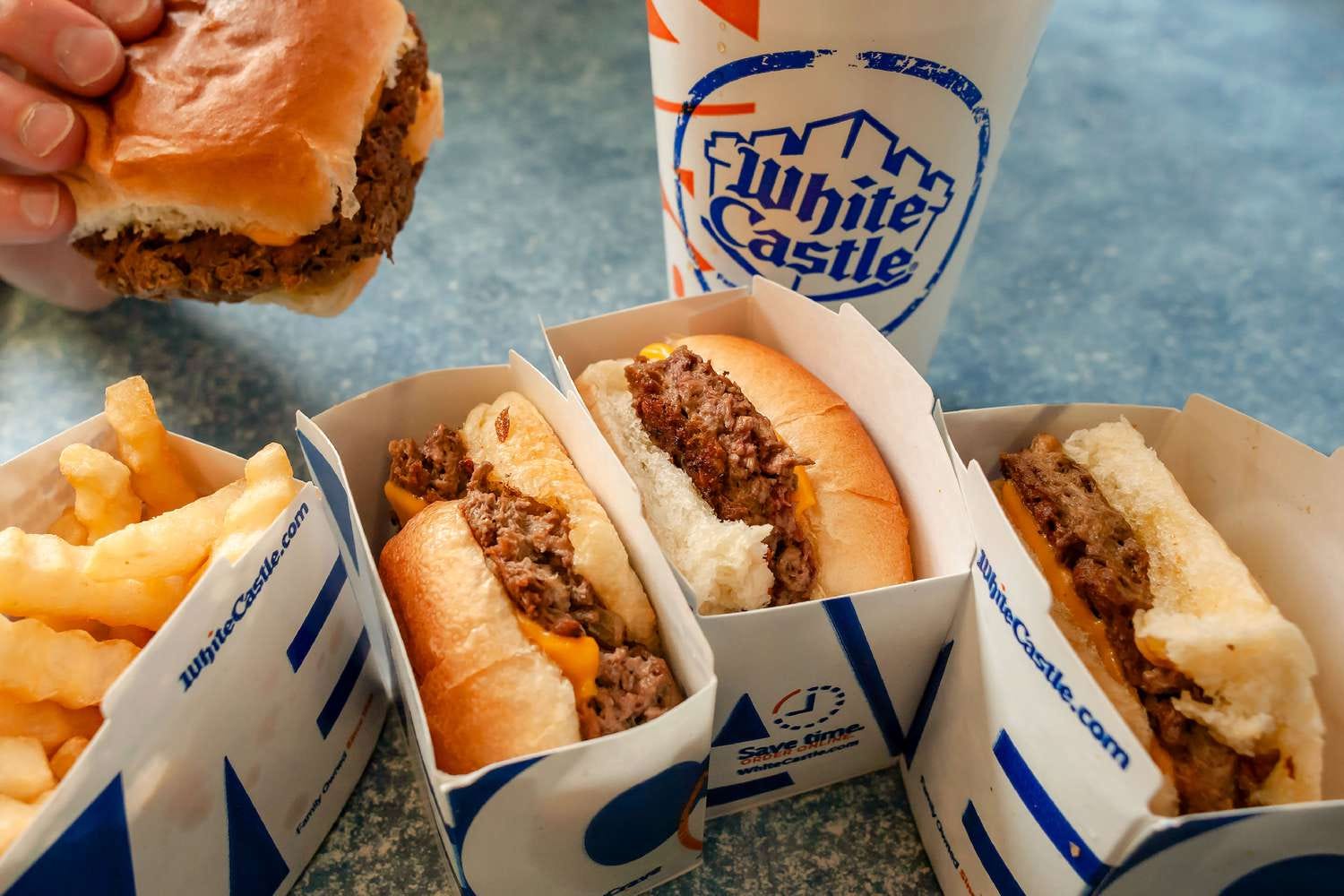
The founders of White Castle understood that they faced a product and customer trust problem. Customers could not inspect the quality of the meat before placing an order. The company responded with a system instead of a slogan. It designed an experience that customers could observe.
The restaurants used white porcelain enamel exteriors that emphasized cleanliness. The name itself paired “white” with “castle” to suggest purity and stability. Employees wore clean uniforms that followed company standards.
Food preparation followed standardized procedures. Customers received the same product in every location. The hamburger itself carried part of that system. White Castle served small, square hamburgers. The square shape made efficient use of the cooking surface, produced a consistent product, and became immediately recognizable.
Customers could not inspect the quality of the beef before placing an order. But they could inspect everything that surrounded it.
Excavation
Welcome to Untrap Your Expertise, the research site where we excavate the hidden expertise behind exceptional work. Most experts publish content, frameworks, and AI prompts. Those are only the artifacts left on the surface. Every edition uncovers how expertise becomes transferable so your business can grow beyond your time, memory, and client work. Subscribe now and discover how to excavate the expertise that becomes your most valuable business assets.
To continue reading, you must be a subscriber